Why Humans Might Be Hardwired to Love Spinning Objects
Humans see something spin and immediately become a little useless. A coin twirls on a table and everyone watches. A ceiling fan turns slowly and suddenly someone is staring at it like it contains family secrets. A washing machine window spins socks around and, for no good reason, it becomes entertainment. This is not new. We have been obsessed with spinning things for a very long time. The wheel changed travel, farming, trade, machines, pottery, and basically half of civilization. But beyond usefulness, there is something strangely magnetic about rotation itself.
A spinning object feels alive. Not alive like a cat demanding food. More like a tiny system doing exactly what it was made to do. Round and round. Smooth. Predictable. Still somehow mysterious.
Motion keeps the brain hooked
The brain loves patterns, but it also loves change. Spinning objects offer both at once. They repeat, but they never fully sit still. That is the little trick. A still object can be understood quickly. Cup. Stone. Button. Done. But a spinning object keeps refreshing itself. The same shape keeps returning in a slightly different way. Your eyes follow it. Your brain starts counting without permission. You wait for it to slow down, wobble, recover, or fall.
That is why a spinning top is more interesting than it has any right to be. It is just a toy doing circles, yet everyone watches the ending. Will it stay balanced? Will it wobble? Will it collapse with dignity? Usually no. It flops over like a tiny drunk umbrella.
Spinning can feel calming
There is also a soothing side to it. Repeated motion can calm the mind because it gives attention somewhere soft to land. This is why fidget spinners became so popular. People mocked them, bought them, spun them, then quietly understood. The little hum. The blur. The controlled movement in your fingers. It gives restless energy somewhere to go.
Hypnosis uses a similar idea in popular imagination. The swinging watch. The spiraling circle. The fixed gaze. Whether or not real hypnosis works like the movie version, the image makes sense because rotation and rhythm do something to attention. They narrow it. They pull it inward. They make the outside world a bit quieter for a moment.
Chance makes the spin sharper
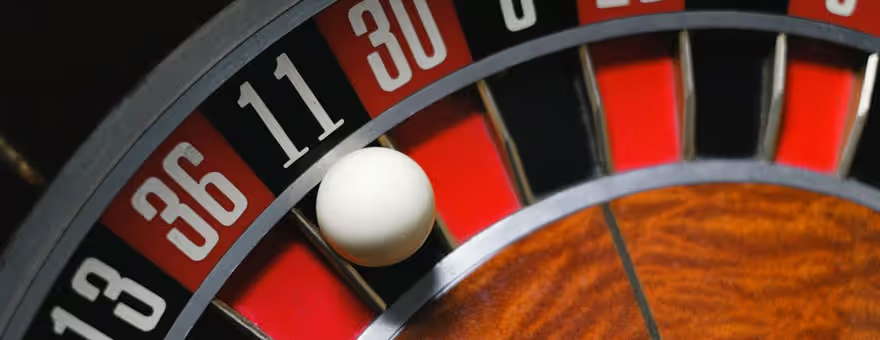
Now add uncertainty, and spinning becomes even more powerful. A roulette wheel is not just a wheel. It is a tiny theater of suspense. The ball races, skips, taps, jumps, and finally lands. Everyone watches because the spin is carrying an answer. Slot reels work the same way. The symbols blur, slow down, tease the result, then stop one by one. The actual movement is simple, but the waiting makes it feel bigger. Your brain knows something is about to happen. It just does not know what.
The ancient and modern line up
What is funny is how connected all these things are. Ancient wheels helped us move through the world. Pottery wheels shaped clay. Water wheels powered work. Prayer wheels turned devotion into motion. Later came carnival wheels, roulette wheels, spinning reels, fidget toys, bicycle wheels, vinyl records, loading icons, and those little spinning chairs nobody can resist testing.
Different uses. Same basic spell. Round motion feels efficient, balanced, and hypnotic. It suggests progress without needing a destination. It gives the brain rhythm, surprise, comfort, and anticipation in one neat loop. Maybe humans love spinning objects because they remind us of movement itself. Time, seasons, planets, wheels, habits, routines. Everything keeps turning in some way. And when something spins in front of us, we cannot help watching.